
Published 15 October 2026 · Sash Window Draught Proofing
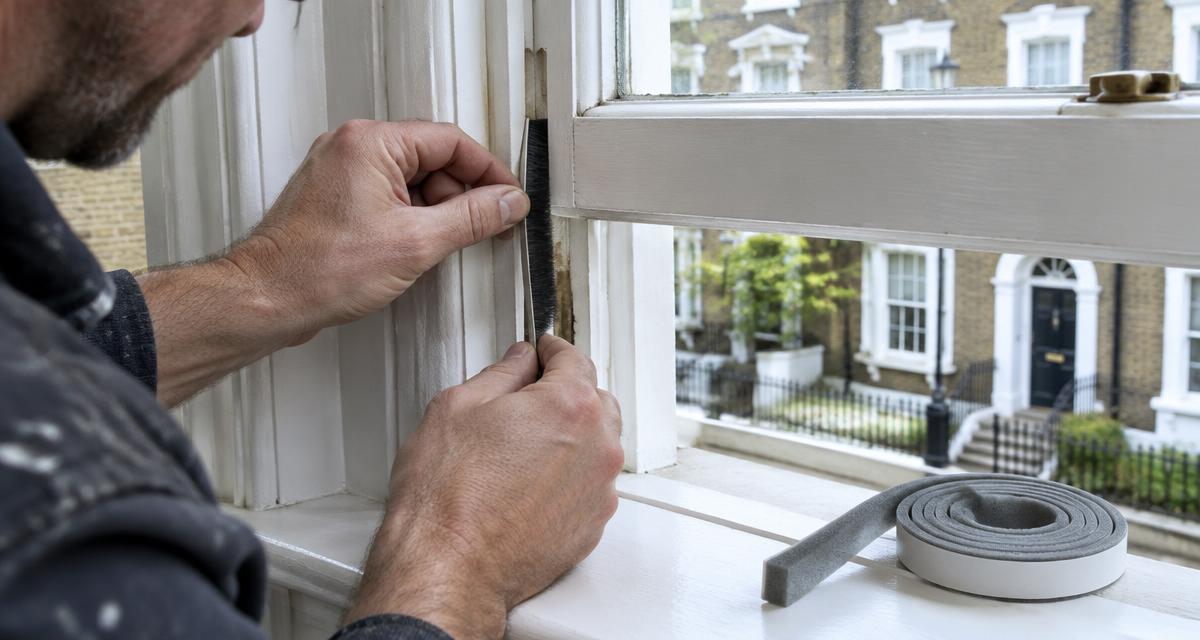
Every autumn, thousands of London homeowners buy a roll of self-adhesive window draught excluder for a few pounds and spend a Saturday sticking it around their sash windows. Sometimes that is exactly the right call. Often, on an original Victorian or Georgian sash, it is not.
This guide compares retail draught excluders with professional sash window draught proofing on the points that matter: how well they seal, how long they last, what they do to the window, and what they really cost over time.
What a "draught excluder for windows" actually is
Retail window draught excluders fall into a few types:
- Self-adhesive foam strip. The cheapest and most common. Compresses into a gap when the window closes.
- Rubber P- or E-profile strip. Denser and longer-lasting than foam, also self-adhesive.
- Stick-on brush strip. A short pile on an adhesive backing.
- Removable sealant or tape. Seals the window shut for the winter.
- Fabric "sausage" excluders. Laid on the sill to stop cold air at the bottom rail.
All of these were designed mainly for casement windows and doors, which close by pressing against a frame. A sash window works differently: its panels slide past the frame and past each other. That single difference is why most DIY products struggle on sashes.
Why stick-on seals struggle on sash windows
They get dragged off. Foam or rubber stuck to the sliding faces is rubbed every time the sash moves. Within weeks it bunches, tears or peels.
They make the window stiff. A seal thick enough to fill the gap adds friction. Windows that were easy to open become hard to lift, and owners stop opening them — which harms ventilation and can increase condensation.
They miss the worst gaps. Much of the air leakage on a sash comes through the meeting rail where the two sashes overlap, and the gaps by the parting bead. Surface strips can't reach these properly.
The adhesive damages paint. Removing old strip often lifts paint and, on very old windows, can mark the timber underneath.
They don't fix the cause. Rattles and large gaps usually come from worn beads, loose sashes or broken sash cords. A strip hides the symptom for a season.
How professional draught proofing is different
Professional systems for sash windows are built into the window rather than stuck onto it. A typical job involves:
- Removing the sashes and staff beads.
- Routing a narrow groove into the sash edges.
- Inserting a brush pile seal into that groove so it sits flush and is protected.
- Replacing the parting beads with versions that carry an integrated seal.
- Adjusting or re-cording the sashes so they balance and run smoothly.
- Refitting new staff beads, also sealed, and easing any sticking points.
Because the seals sit in grooves, they aren't rubbed off, and the brush pile lets the sash slide while still blocking airflow. The window ends up both tighter and easier to use. See how we draught proof Victorian sash windows for more detail.
Side-by-side comparison
| DIY stick-on excluder | Professional draught proofing | |
|---|---|---|
| Upfront cost | A few pounds per window | Typically £150–£300 per window |
| Typical lifespan on a sash | One season, often less | Many years with normal use |
| Seals the meeting rail and beads | Rarely | Yes |
| Effect on opening the window | Often stiffer | Usually smoother |
| Fixes rattles | Temporarily, if at all | Yes, sashes are adjusted |
| Risk to paint and timber | Adhesive damage on removal | Minimal, discreet and reversible |
| Suitable for listed buildings | Usually unsightly | Conservation-friendly systems available |
When DIY is the right choice
DIY excluders make sense when:
- You're renting and can't alter the windows.
- You need a quick fix for one winter while saving for proper work.
- The window is rarely or never opened, such as a stairwell or loft window.
- The window is a modern casement, where compression strips work as designed.
In those cases, choose a good-quality rubber profile over foam, and avoid sealing a window shut if the room relies on it for ventilation.
When professional draught proofing pays off
Professional work is usually the better investment when:
- The windows are original sashes you intend to keep.
- They rattle, stick or let in noticeable drafts across several rooms.
- You've already replaced DIY strips more than once.
- The property is in a Conservation Area or is listed and the appearance matters — see our Grade II listed draught proofing guide.
- You're also considering secondary glazing, which performs best on a well-sealed primary window.
For a full breakdown of prices see our cost of draught proofing guide, and for the bigger picture on heating bills read how to cut heating bills without replacing windows.
Frequently asked questions
Do window draught excluders work on sash windows?
They help a little in the short term, mainly on the bottom rail and the fixed sides. Because sash panels slide, stick-on strips on moving faces wear out quickly and can make the window stiff.
What is the best draught excluder for sash windows?
For a temporary DIY fix, a thin rubber profile on the fixed faces lasts longer than foam. For a lasting result, a brush pile seal fitted into a routed groove is the method most specialists use.
How long does professional draught proofing last?
Brush pile seals fitted into grooves are protected from wear and typically last many years. The beads and adjustments carried out at the same time also extend the life of the window.
Can I draught proof sash windows myself?
You can fit surface strips yourself. Routed brush seals and replacement beads need the sashes removed and rebalanced, which is skilled joinery work and best left to a specialist.
Will draught proofing stop my sash windows rattling?
Professional draught proofing usually does, because the sashes are adjusted and the new beads hold them firmly while still letting them slide. DIY strips rarely cure rattles for long.
Get an honest recommendation
We've been draught proofing original sash windows across London and the Home Counties for 15 years. If DIY strips will do the job for your windows, we'll tell you. Contact us for a free survey and fixed quote.